More on Biosecurity
The Department of Homeland Security (DHS) has announced a new ban on imports from three Chinese genomic companies because of the companies’ ties to forced labor in Xinjiang, where the Chinese Communist Party (CCP) is committing a genocide of the Uyghurs. Known collectively as the BGI Group, BGI Genomics Co. Ltd, MGI Tech Co Ltd., and Shenzhen BGI Technology Co Ltd. are the newest additions to the Uyghur Forced Labor Prevention Act Entity List.
The Trump Administration has announced that it is including biotechnology in the proposed rules to implement the Comprehensive Outbound Investment National Security (COINS) Act signed into law last year. Chairman John Moolenaar of the Select Committee on China made the following statement:
“This decision by the Trump administration is an important step towards ensuring the medicines the American people rely on are researched, developed, and made in America. This is a victory for the American people and the strong bipartisan coalition of lawmakers who came together last year to pass the COINS Act and stop the flow of American dollars into sensitive industries in China. We cannot afford for American companies to boost China's biotech industry while labs and research facilities across our nation with higher ethical standards than China go empty.
Witnesses:
• Dr. Jacob Becraft, CEO and Co-Founder, Strand Therapeutics Inc.
• Mr. Patrick Cashman, President, USAntibiotics
• Dr. Francisco Gimenez, Partner, 8VC
• Dr. Marta E. Wosińska, Senior Fellow – Economic Studies, Center on Health Policy at Brookings
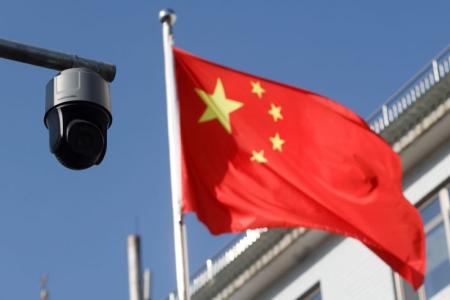
WASHINGTON DC — Chairman John Moolenaar (R-MI), Ranking Member Raja Krishnamoorthi (D-IL), and Rep. Neal Dunn (R-FL) of the House Select Committee on the Chinese Communist Party wrote to Secretary of Commerce Gina Raimondo, urging the Department to update its regulations to require a license prior to engaging with a Chinese military hospital for clinical trials.
In the summer of 2024, lawmakers sought information from the FDA regarding clinical trials conducted at Chinese military hospitals, FDA site visits in the People’s Republic of China, and clinical trials occurring in Xinjiang, where the CCP is committing a genocide against the Uyghur people.
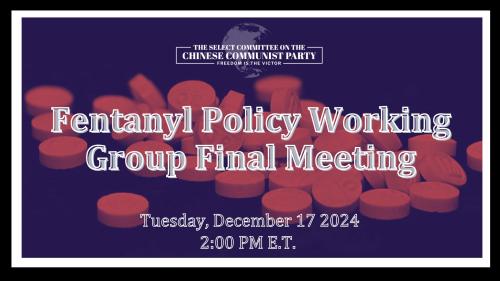
WATCH: Lawmakers on the Select Committee' Fentanyl Policy Working Group unveil new bipartisan legislation in the working group's last meeting of the 118th Congress.
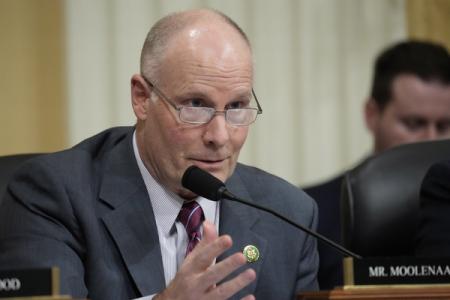
Chairman Rep. John Moolenaar's remarks, as prepared for delivery, at the final meeting of the Select Committee's Fentanyl Working Group.
Click HERE to read the full remarks.
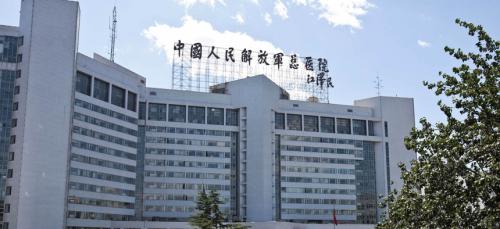
Chairman John Moolenaar (R-MI) and Ranking Member Raja Krishnamoorthi (D-IL) of the House Select Committee on the Strategic Competition Between the United States and the Chinese Communist Party requested information from the FDA about the alarming practice of U.S. biopharmaceutical companies conducting clinical trials alongside the People’s Liberation Army (PLA) and in Xinjiang, where the CCP is engaged in genocide of the Uyghur people. Reps. Neal Dunn, M.D. (R-FL) and Anna Eshoo (D-CA) joined the inquiry, in which the lawmakers raised serious concerns that the PLA is co-opting sensitive intellectual property through these clinical trials and questioned the ethics of conducting these trials in Xinjiang.

WASHINGTON D.C. -- Chairman John Moolenaar (R-MI) of the House Select Committee on the Chinese Communist Party wrote to Secretary of Agriculture Tom Vilsack, inquiring why the U.S. Department of Agriculture greenlit a Chinese agricultural biotech company with close links to the Chinese government operating in the United States. The firm, Qi Biodesign, is a company that makes genetically engineered soybean seeds and was prioritized for USDA regulatory approval ahead of many American agricultural companies that currently face extensive delays.
Select Committee Members Neal Dunn (R-FL), Dusty Johnson (SD), Ashley Hinson (R-IA), Carlos Gimenez (R-FL), and Ben Cline (R-VA) joined the letter.
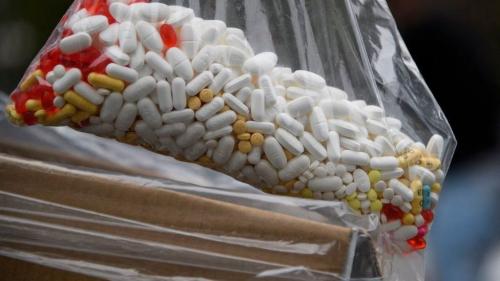
WASHINGTON D.C. -- Today, the House Select Committee on the Strategic Competition Between the United States and the Chinese Communist Party's Fentanyl and Critical Minerals Policy Working Groups held their inaugural meetings.
|